The best anti-snoring device depends on why you snore. Start with Breathe Right Original nasal strips, our top pick: about $11 for 30, drug-free, and a quick test of whether your nose is the problem. The budget pick, for mouth breathers with a clear nose, is 3M Micropore tape. Nothing here treats sleep apnea.
Most snoring gadgets fall into five groups: nasal strips, nasal dilators, mouth tape, chin straps and pillows. Each one targets a different reason for snoring. Pick the wrong type and it does nothing, which is why so many people try one anti-snoring device, give up, and decide none of them work.
A nasal strip won't help if the noise comes from your throat. Mouth tape won't help if your nose is blocked, and it's unsafe if it is. And nothing on this page replaces a sleep study if you might have obstructive sleep apnea. This is general information, not medical advice.
The picks below are based on the product listings, the clinical studies that exist and thousands of buyer reviews, not hands-on testing. Here's what's worth trying, in what order.
Quick comparison
| Device | How it works | Best for | Evidence | Price |
|---|---|---|---|---|
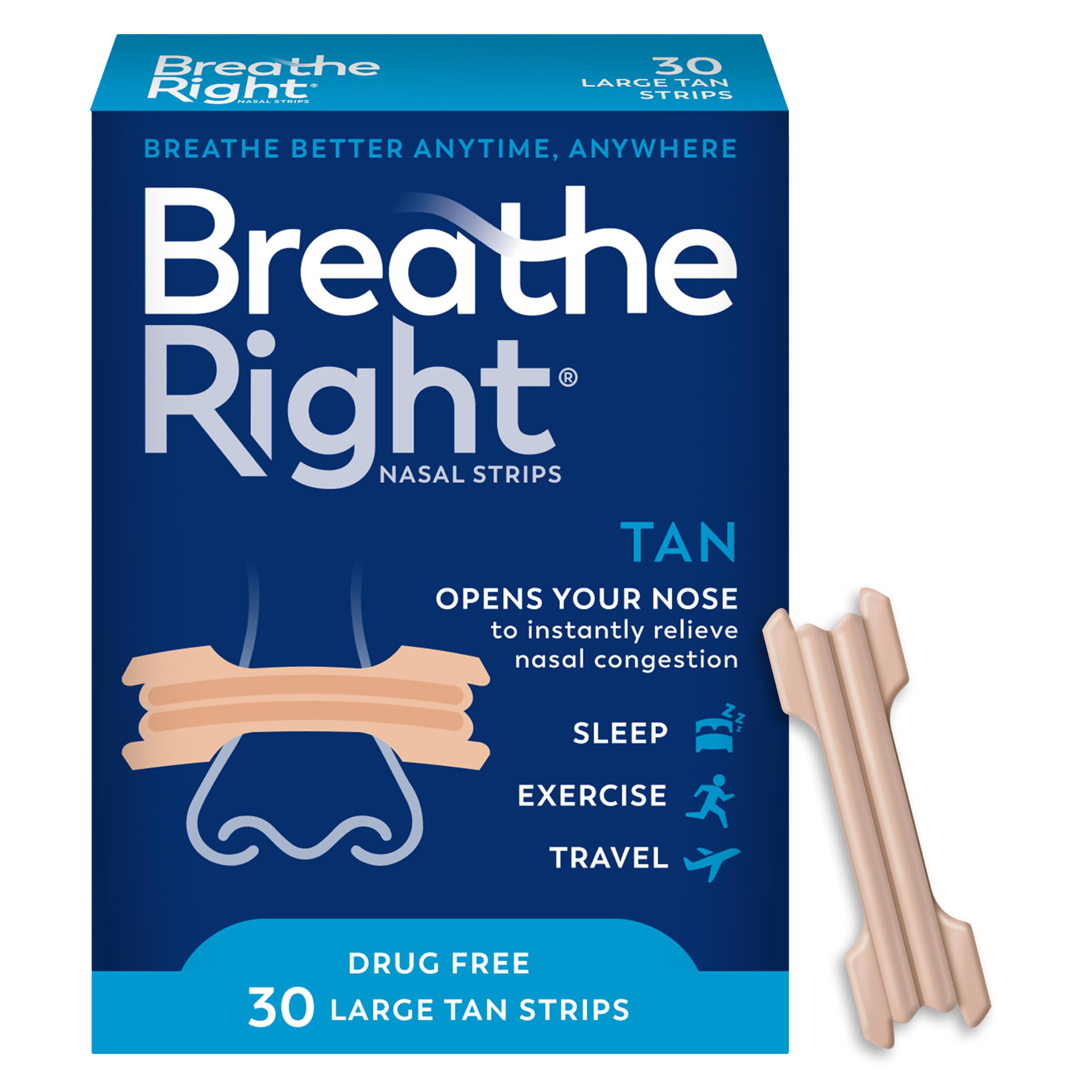
| Breathe Right Original | Pulls nostrils open from outside | Nasal snoring, congestion | Modest: helps some people, not others | About $11 for 30 |
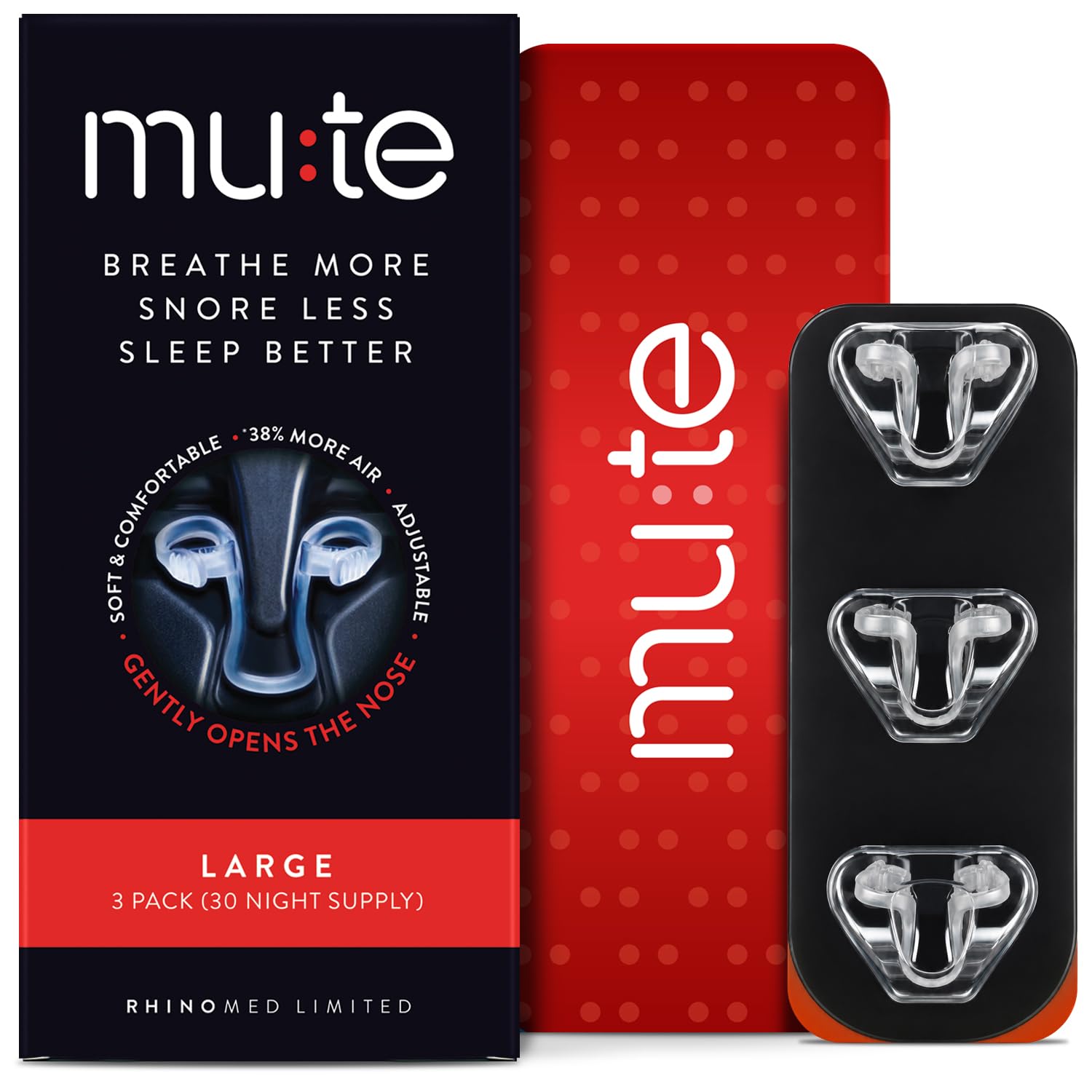
| Mute nasal dilator | Pushes nostrils open from inside | Narrow nostrils, strip skin irritation | Mostly manufacturer data | About $21 for 3 |
| Kolbs bed wedge | Raises head and upper body | Back sleepers | Positional, no device-specific trials | About $44 |
| Chin strap | Holds jaw closed | Mouth breathers who hate tape | Thin and inconsistent | About $18 |
| 3M Micropore tape | Keeps lips together | Mouth breathers with a clear nose | One small study, plus safety warnings | About $12 for 12 rolls |
Is your snoring a doctor problem first?
Answer this before buying anything. Snoring on its own is usually harmless, if annoying. Snoring with pauses in breathing is different. That pattern can mean obstructive sleep apnea (OSA), where the airway closes repeatedly during the night and oxygen levels drop. Untreated OSA is linked to high blood pressure, heart disease and drowsy driving.
See a doctor, not Amazon, if:
- Someone has seen you stop breathing, or heard you gasp or choke, while you sleep
- You wake up choking or short of breath
- You're very sleepy during the day even after a full night in bed
- You wake with headaches, or you have high blood pressure as well as loud snoring
A doctor can order a sleep study, either in a lab or a home test. If it shows sleep apnea, the usual treatments are CPAP or a custom oral appliance. Over-the-counter devices aren't a substitute, and some (mouth tape especially) can be risky if you have it.
Why you snore decides what to buy
Nasal snoring. Your nose is narrow or congested. You notice it when you have a cold or allergies, or you just struggle to breathe through your nose during the day. Nasal strips and dilators target this.
Mouth snoring. Your mouth falls open during sleep. Waking with a dry mouth and sore throat is the usual clue. Mouth tape and chin straps target this, but only if your nose works well.
Positional snoring. It's worse on your back, because the tongue and soft palate sag backward. If your partner says you only snore on your back, a wedge pillow or simply training yourself to sleep on your side can be enough.
Throat snoring. The soft palate, uvula or tongue base vibrates or partly collapses. This is the loud, rattling kind. Store-bought devices rarely fix it, and it's the type most likely to overlap with sleep apnea.
Nasal strips and dilators
The cheapest place to start. Strips stick to the outside of your nose and lift the nostrils open. Dilators sit inside the nostrils and push them open.
Breathe Right Original, large is the strip most people try first, at about $11 for 30 (4.3 stars from about 16,000 Amazon ratings). Breathe Right says the strips improve nasal airflow by up to 31% and are meant for snoring caused by nasal congestion. They're drug-free, so they don't interact with decongestants. If your nose is the problem, two weeks of these will tell you.
Mute by Rhinomed is an internal dilator with adjustable arms, about $21 for a 3-pack of the large size. Rhinomed cites trial data showing 38% more airflow and less snoring in 75% of users. Those are the company's numbers, and the Amazon rating is a middling 3.5 stars from about 19,000 ratings. Fit decides everything with the Mute, so start with the sizing pack if you can. Each dilator lasts up to ten nights if rinsed daily.
Our best nasal strips for snoring guide compares Breathe Right Extra Strength, the magnetic Intake system and a cheap silicone vent pack too.
Mouth tape
Mouth tape holds your lips closed so you breathe through your nose. A 2022 study in Healthcare found that taping roughly halved snoring intensity in 20 mouth breathers with mild sleep apnea. That's one small study. A 2025 systematic review in PLOS ONE called the overall evidence weak and warned about the risks for people who can't breathe well through their nose.
3M Micropore paper tape is the cheap option people use for this: hypoallergenic, latex-free surgical tape, about $12 for a box of twelve 1-inch rolls (4.6 stars, about 7,700 ratings). A small vertical strip over the center of the lips is the common approach, not a full seal.
Do not use mouth tape if:
- You can't breathe comfortably through your nose (congestion, allergies, a deviated septum)
- You have, or might have, sleep apnea
- You have reflux, asthma or another breathing condition, or you've been drinking or taken sedatives
- It's for a child
Our mouth tape for sleeping guide goes through the research and the safety rules in detail.
Chin straps
A strap under the chin and over the head that keeps the jaw from dropping open. Same goal as mouth tape, with nothing stuck to your lips.
Atavyst chin strap is a soft neoprene strap with Velcro adjustment, about $18. It's sold to CPAP users as well as snorers, and the listing says it won't get in the way of mask headgear. It averages 3.7 stars from about 2,100 ratings, and that rating says something about the whole category. Reviews split between people who say it works and people who say it slides off by 3 a.m.
The research on chin straps alone for snoring is thin and inconsistent. They're worth a try if tape feels claustrophobic, but expect some fiddling with tension. Too loose and your mouth still opens. Too tight and the pressure wakes you up.
For how chin straps compare head to head with strips and tape, see nasal strips vs chin straps vs mouth tape.
Wedge pillows for back sleepers
If your snoring is mostly positional, changing the angle can help without anything on your face.
Kolbs bed wedge is a 24 x 24 inch wedge, 7.5 inches high, with a 1.5-inch memory foam top layer and a washable cover. It's about $44, with 4.4 stars from nearly 20,000 ratings, so it's a long-running bestseller. It's also sold for acid reflux, which is a bonus if heartburn keeps you up too. A 12-inch version exists, but most people sleeping on a wedge do better with the lower one.
A wedge raises your whole upper body, so you're less likely to slide off it the way you can roll off a contoured "anti-snore" pillow. The downside: some people find sleeping on an incline odd for the first week, and it does nothing if you snore on your side as well.
Oral appliances: the option you get from a dentist
Mandibular advancement devices are mouthpieces that hold your lower jaw slightly forward to keep the airway open. They're one of the better-studied snoring treatments. The American Academy of Sleep Medicine supports oral appliances for primary snoring, and for sleep apnea patients who can't tolerate CPAP.
The ones used for sleep apnea are FDA-cleared devices that a dentist makes from impressions of your teeth and adjusts over several visits, usually after a doctor's diagnosis. They can cause jaw soreness or bite changes, which is one reason dental follow-up matters. You'll also see cheaper boil-and-bite mouthguards online. If you try one, stop if your jaw or teeth hurt, and don't use one to treat suspected sleep apnea yourself.
The partner side of snoring
If you're reading this because your partner snores, the devices above are for them. For you, earplugs and a white noise machine cover the gap while they figure out what works. Our guide on how to sleep with a snoring partner has the rest.
And if it's got to the point where you're eyeing the spare room, read about sleep divorce. It's more common than people admit.
When are anti-snoring products cheapest?
Our price logs cover eight snoring products, including all five above, every day from October 2023 to October 2026. The typical one was 10% or more below its 90-day median price on 9.2% of days. November was the cheapest month on average and July the dearest, but the gap was small, about 3%.
If you can wait, Black Friday-Cyber Monday is the event to wait for: 38% of products were cut by 10% or more, by a median 21.6%. October's deal days cut 14% and Prime Day 7%.
| Product | 3-year median | Lowest price seen |
|---|---|---|
| Breathe Right Original | $11.26 | $7.27 (Nov 29, 2024) |
| Kolbs bed wedge | $42.99 | $33.59 (Nov 27, 2023) |
| 3M Micropore tape | $10.56 | $6.36 (Aug 31, 2025) |
The Mute dilator and the chin strap barely moved, on sale 1.7% and 2.5% of days.
These are public Amazon prices; coupons and Prime-member-only deals aren't captured. Method: our Amazon price study.
Frequently asked questions
What is the best anti-snoring device?
There isn't one for everybody. If you don't know why you snore, start with nasal strips: cheap, low risk, and a quick test of whether your nose is the problem. If strips don't help and you wake with a dry mouth, try a chin strap or (if your nose is clear) mouth tape. If you only snore on your back, try a wedge.
Do anti-snoring devices actually work?
Some do, for some people. Strips have modest evidence for nasal snoring, mouth tape has one small positive study, chin straps have very little. None of them treat moderate or severe sleep apnea.
When should I see a doctor about snoring?
If anyone has seen you stop breathing or gasp in your sleep, if you're sleepy during the day, or if you wake with headaches. Those point toward sleep apnea, and you need a sleep study rather than a gadget.
Do anti-snoring mouthguards work?
Jaw-advancing oral appliances can reduce snoring, and custom versions from a dentist are an accepted treatment for some people with sleep apnea. Get a diagnosis first so you know what you're treating.
What causes snoring?
Relaxed tissue in the throat vibrating as air goes past. Congestion, back sleeping, alcohol and extra weight all make it worse. The cause decides which device has a chance.
Sources
- Lee YC, et al. "The Impact of Mouth-Taping in Mouth-Breathers with Mild Obstructive Sleep Apnea: A Preliminary Study." Healthcare, 2022.
- Rhee J, et al. "Breaking social media fads and uncovering the safety and efficacy of mouth taping in patients with mouth breathing, sleep disordered breathing, or obstructive sleep apnea: A systematic review." PLOS ONE, 2025.
- Ulfberg J, Fenton G. "Effect of Breathe Right nasal strip on snoring." Rhinology, 1997.
- Ramar K, et al. "Clinical Practice Guideline for the Treatment of Obstructive Sleep Apnea and Snoring with Oral Appliance Therapy: An Update for 2015." Journal of Clinical Sleep Medicine, 2015 (AASM/AADSM).
- American Academy of Sleep Medicine, Sleep Education. Obstructive Sleep Apnea.
- National Heart, Lung, and Blood Institute. Sleep Apnea.
- Amazon product listings for Breathe Right, Rhinomed Mute, Atavyst, Kolbs and 3M, September 2026.