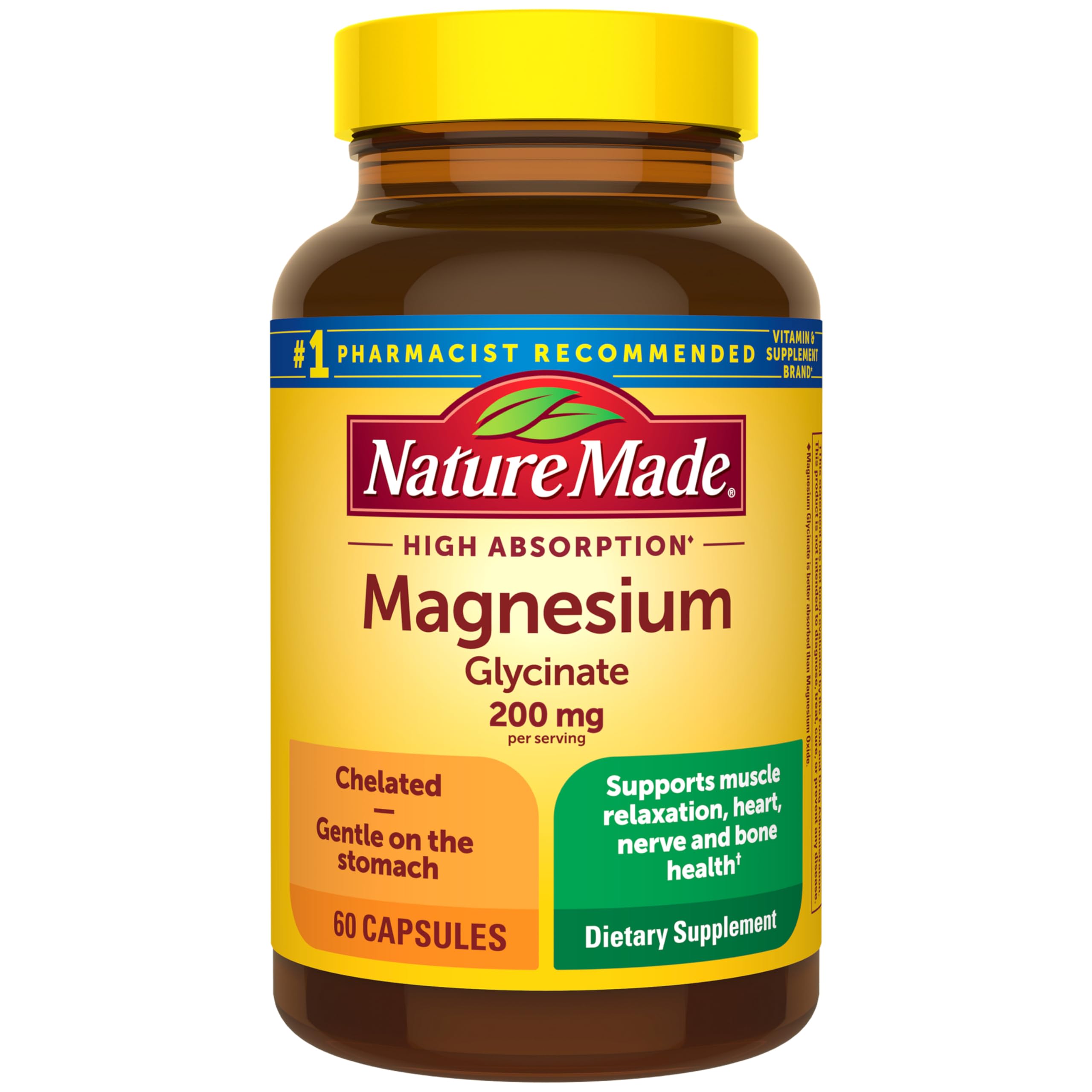
Magnesium may help you sleep a little, but the evidence is weak, mostly from small trials in older adults. Our top pick is Doctor's Best Magnesium Glycinate Lysinate, about $24 for 240 tablets. The budget pick is Nature Made Magnesium Glycinate 200 mg, about $12 a month. Stay under 350 mg a day from supplements.
Magnesium has become one of the most popular "natural" sleep aids, mostly on the strength of social media. The honest summary is less exciting: the evidence that magnesium improves sleep is limited and mixed. It may help if you're low in magnesium, and it's cheap and low risk at sensible doses, so a lot of people decide it's worth a try. If you're lying awake with racing thoughts and wondering whether a supplement could help, here's what's known, what dose is safe, and three magnesium glycinate supplements worth buying.
Quick picks:
- Doctor's Best High Absorption Magnesium Glycinate Lysinate: best overall, 200 mg magnesium per serving, 240 tablets
- Nature Made Magnesium Glycinate 200 mg: best budget, a 30-day bottle for about $12
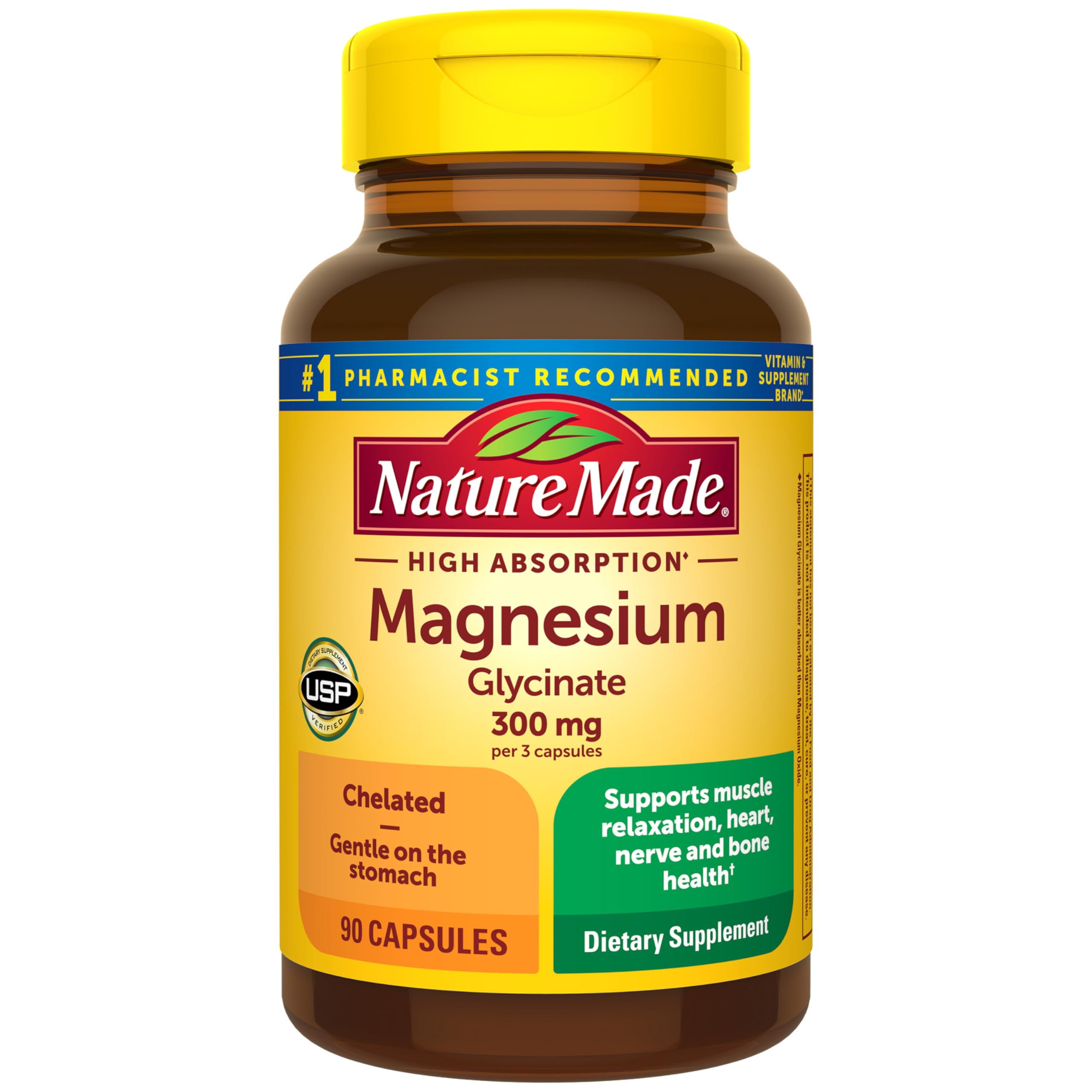
- Nature Made Magnesium Glycinate 300 mg: USP Verified, 300 mg per 3 capsules
This is general information, not medical advice. Before you start any supplement, check with your doctor or pharmacist, especially if you have kidney disease or take prescription medication.
Does magnesium actually help with sleep?
Maybe, for some people. The research is thin.
A 2012 double-blind trial in the Journal of Research in Medical Sciences gave 46 older adults with insomnia 500 mg of magnesium a day or a placebo for eight weeks. The magnesium group improved on several sleep measures, including insomnia scores and sleep efficiency. It was small, it was limited to older adults, and the dose was above the supplement upper limit (more on that below), so it doesn't translate neatly to a healthy 35-year-old.
A 2021 systematic review in BMC Complementary Medicine and Therapies pooled three trials in older adults. Magnesium shortened the time it took to fall asleep by about 17 minutes on average, but the authors rated the evidence as low to very low quality and said it wasn't strong enough to recommend magnesium for insomnia.
The likeliest explanation is that magnesium helps people who don't get enough of it, and does little for people who already do. The NIH Office of Dietary Supplements notes that many Americans get less magnesium from food than recommended. Groups more likely to run low include older adults, people with type 2 diabetes, people with digestive conditions such as Crohn's or celiac disease, and people who drink heavily. Some medications, including long-term proton pump inhibitors (PPIs) and certain diuretics, can lower magnesium levels too. If that sounds like you, ask your doctor about it rather than guessing.
Which form of magnesium is best for sleep?
There are a lot of forms, and they absorb differently.
Magnesium glycinate (or bisglycinate) is the form most often suggested for sleep. It's magnesium bound to the amino acid glycine, it's well absorbed, and it's gentler on the stomach than cheaper forms. Glycine itself has been studied a little for sleep, though that research is small. All three picks below are glycinate.
Magnesium citrate absorbs well but has a laxative effect at higher doses. That's fine during the day and less fun at bedtime.
Magnesium oxide is cheap and shows up in a lot of budget supplements, but it's poorly absorbed. One small study measured only about 4% absorption. You get a big number on the label and not much in your bloodstream.
Magnesium L-threonate gets marketed for brain health and sleep. It has some early research, but the sleep evidence is thinner than the marketing suggests, and it costs much more.
None of these has strong evidence for sleep on its own. Glycinate is the sensible default because it's well absorbed and easy on the stomach.
How much do you need?
The NIH Office of Dietary Supplements sets the recommended dietary allowance (RDA) for adults at 400 to 420 mg a day for men and 310 to 320 mg for women, depending on age. That's total intake, and most of it should come from food: leafy greens, nuts, seeds, beans and whole grains.
The number that matters for supplements is the upper limit. For adults, the NIH upper limit for magnesium from supplements is 350 mg a day. Magnesium in food doesn't count toward that. Going over it is the usual cause of diarrhea, nausea and cramps. Much higher doses can be dangerous, especially for people with kidney disease, because the kidneys are what clear excess magnesium.
Two label tips:
- Look for elemental magnesium. The Supplement Facts panel on US supplements lists the amount of magnesium itself, with the compound in parentheses (for example, "Magnesium 200 mg (as magnesium bisglycinate)"). Some brands put the weight of the whole compound on the front ("1,000 mg magnesium glycinate"), which can be several times higher than the magnesium you actually get.
- Check the serving size. "200 mg per serving" might mean one tablet or two.
Dietary supplements aren't approved by the FDA for safety or effectiveness before they go on sale. That's why third-party marks such as USP Verified are useful. They mean an independent lab has checked that the product contains what the label says and meets quality standards. They don't mean the supplement works for sleep.
Our picks
Doctor's Best High Absorption Magnesium Glycinate Lysinate: best overall
ASIN: B000BD0RT0
This is the most reviewed magnesium glycinate on Amazon by a long way, with a 4.6-star average from more than 76,000 ratings. It was about $24 when we checked for a 240-tablet bottle.
It provides 200 mg of magnesium per serving, which leaves room under the 350 mg supplement limit. The magnesium is bound to glycine and lysine and is fully chelated, which is why it's easy on the stomach. It's vegan, non-GMO, and free of gluten and soy. The listing doesn't say how many tablets make one serving, so check the label before you work out how long a bottle lasts.
The listing also claims "up to 6x better absorption." There's no detail on what that's compared against, so ignore it. Buy it because it's a plain, fully chelated glycinate at a fair price.
Nature Made Magnesium Glycinate 200 mg: best budget
ASIN: B08XXHCGZT
If you just want to find out whether magnesium does anything for you, this is the cheap way to try. A 60-capsule bottle was about $12 when we checked. The serving is two capsules, which gives you 200 mg of magnesium, so the bottle lasts 30 days. It has a 4.6-star average from around 22,000 ratings.
Nature Made suggests taking it with water and a meal. It's gluten-free with no added color or artificial flavors.
Nature Made Magnesium Glycinate 300 mg: best USP Verified
ASIN: B0D9MV3YJQ
This one gives 300 mg of magnesium per three-capsule serving, and a 90-capsule bottle lasts 30 days. It was about $23 when we checked, with a 4.7-star average from around 3,100 ratings.
The reason to pick it is that the listing says it's USP Verified, so an independent lab has checked what's in the bottle. 300 mg is still under the 350 mg limit, but it doesn't leave much room. If you also take a multivitamin or another product with magnesium, add those up first. You can also take two capsules (200 mg) instead of three.
When to take magnesium for sleep
There's no good evidence that the exact timing matters. Most people take it in the evening, often with dinner, which also suits Nature Made's advice to take it with a meal. If capsules on an empty stomach bother you, take them with food.
Consistency matters more than timing. The studies ran for weeks, not nights, so give it two to four weeks before you judge it.
Magnesium can interfere with some medicines, including certain antibiotics (tetracyclines and quinolones) and osteoporosis drugs called bisphosphonates, usually by reducing how much of the drug you absorb. You might need to space them a few hours apart. Ask your pharmacist.
Magnesium vs other sleep supplements
Melatonin is a hormone, not a mineral. It tells your body it's time to sleep rather than supporting the processes behind sleep. It has better evidence for jet lag and shift work than for everyday insomnia. In the US it's sold over the counter as a supplement, and doses vary widely between brands.
CBD gets talked about a lot for sleep. The research is still early, products vary a lot in what they actually contain, and the legal status differs from state to state. Amazon doesn't sell CBD, and we don't recommend specific products. If you're thinking about it, talk to your doctor first, particularly if you take other medication.
Lavender, as a pillow spray or capsule, has some evidence for easing anxiety, which may help sleep indirectly. It works differently from magnesium, and you can use both.
Valerian root has been used for a long time, but trial results are inconsistent. Some show a small benefit and others show none.
What magnesium has going for it is that it fills a common gap in people's diets, rather than adding something your body doesn't normally use. It's also cheap and low risk if you stay under 350 mg a day from supplements. Just keep your expectations modest.
If you've had trouble sleeping for more than a few weeks, see your doctor. Long-term insomnia often has a cause worth finding, and cognitive behavioral therapy for insomnia (CBT-I) has far better evidence than any supplement.
Frequently asked questions
Can you take too much magnesium? Yes. The NIH upper limit for magnesium from supplements is 350 mg a day for adults. More than that commonly causes diarrhea, nausea and stomach cramps, and very high doses can be dangerous, especially for people with kidney problems. Glycinate is gentler on the gut than citrate or oxide, but the same limit applies.
How long does magnesium take to work for sleep? Give it two to four weeks of daily use. It doesn't work like a sleeping pill. If you've taken it consistently for a month and nothing has changed, it probably isn't addressing what's keeping you awake.
Is magnesium glycinate safe to take every night? For most healthy adults, yes, at or below 350 mg a day from supplements. If you have kidney disease or take any prescription medication, check with your doctor or pharmacist first.
Should I take magnesium glycinate or citrate for sleep? Glycinate. Citrate works as a laxative at higher doses, which some people want during the day but nobody wants at 2 a.m.
Can I take magnesium with melatonin? People often take both. Run the combination past your pharmacist, especially if you take other medications.
Related reading:
- Can't Switch Off at Night? 9 Ways to Calm a Busy Mind
- Best Weighted Blankets 2026: Do They Actually Help With Anxiety and Sleep?
- The Best Bedtime Routine for Adults Who Can't Sleep
- Journaling Before Bed
Sources
- Abbasi B, et al. "The effect of magnesium supplementation on primary insomnia in elderly: A double-blind placebo-controlled clinical trial." Journal of Research in Medical Sciences, 2012.
- Mah J, Pitre T. "Oral magnesium supplementation for insomnia in older adults: a Systematic Review & Meta-Analysis." BMC Complementary Medicine and Therapies, 2021.
- NIH Office of Dietary Supplements. Magnesium: Fact Sheet for Health Professionals.
- Firoz M, Graber M. "Bioavailability of US commercial magnesium preparations." Magnesium Research, 2001.
- US Food and Drug Administration. Information for Consumers on Using Dietary Supplements.
- Qaseem A, et al. "Management of Chronic Insomnia Disorder in Adults: A Clinical Practice Guideline From the American College of Physicians." Annals of Internal Medicine, 2016.