Yes, if you have allergies, asthma or pets, or live near a busy road. A HEPA air purifier measurably lowers airborne particles and allergens in the room it runs in. For a healthy adult in a well-ventilated home, the benefit is small. Expect $80-200 up front, $16-47 a year in electricity, and one or two filters a year.
Air purifiers attract a lot of marketing noise. Brands imply they'll fix everything from fatigue to COVID. The reality is narrower: they do some things well, other things not at all.
Who Noticeably Benefits
People with allergies. This is where the evidence is strongest. Studies have found lower allergen concentrations and better symptom scores in allergy sufferers using HEPA purifiers at home. In one randomized, double-blind trial of 90 pollen-allergy patients, people with a working HEPA purifier in the bedroom at night saw their symptom scores fall further than those given a dummy unit. The effect is most noticeable in bedrooms, where you spend the most continuous time, and during pollen season when indoor levels climb.
If you have diagnosed allergies and your symptoms are worse indoors during allergy season, or you wake up congested and it clears within an hour of leaving the bedroom, you'll likely notice a real improvement.
People with asthma. The evidence is similar to allergies: less exposure to airborne triggers tends to mean fewer symptoms. It depends on what your triggers are. If your asthma is set off mainly by cold air or exercise rather than indoor allergens, an air purifier helps less.
Pet owners. If you have animals that shed, an air purifier running in the main living areas cuts airborne dander. People with mild pet allergies who aren't giving up their animals often find it makes living together easier.
People living near busy roads. Fine particles (PM2.5) from traffic get indoors even with the windows closed. The EPA's guide to air cleaners in the home says they can reduce indoor particle levels, including particles that come in from outside. How much that matters to you depends on how close you live to the road and how much you care about long-term exposure.
Parents of young children. Infants and toddlers breathe faster than adults, so the same air means proportionally more exposure. If you have a baby with eczema or breathing issues, there's a reasonable case for a purifier in the nursery.
Who Probably Won't Notice Much
Healthy adults in well-ventilated homes. If you open windows regularly, live somewhere with little traffic, have no pets, and don't have allergies or respiratory conditions, your indoor air is probably already reasonable. A purifier will lower particle counts further, but you're unlikely to feel a difference.
People buying them for general "wellness." Vague claims about "toxins" and "better focus" aren't well supported. The measurable benefits are specific: particles, allergens, some odors. If you don't have a particular problem to solve, the benefit is speculative.
Anyone hoping to fix humidity or condensation. This comes up a lot. An air purifier does nothing for dampness, condensation or humidity. If your home feels stuffy because it's damp, you need a dehumidifier and better ventilation.
The Honest Cost Calculation
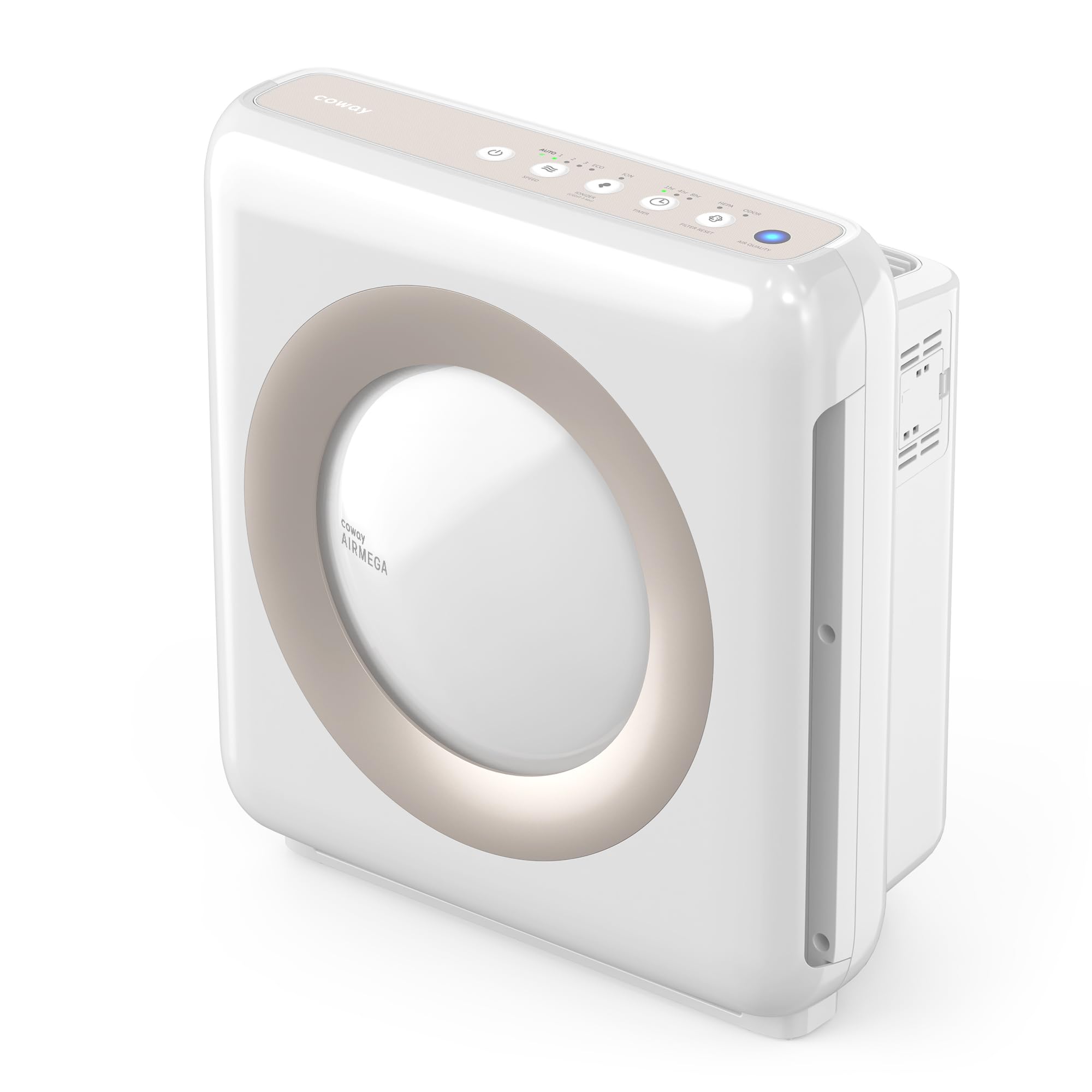
A decent air purifier costs about $80-200 to buy. The Levoit Core 300-P sits at the bottom of that range at about $81; the Levoit Core 400S-P is about $190; the Coway Airmega AP-1512HH "Mighty" lists at about $230 but is often on sale for less. Then there are running costs:
Electricity. Using about 18 cents per kWh, close to the EIA's US residential average of 18.3¢ in July 2026 (yours may differ), a 30W purifier running 8 hours a day uses 0.24 kWh, which costs about 4 cents a day. That's roughly $1.30 a month, or about $16 a year. Run it 24 hours a day and it's 0.72 kWh, about 13 cents a day, or roughly $47 a year. Most people run them on auto or sleep mode, which uses less.
Filters. This is usually the bigger line item, so check the replacement price before you buy. The Dyson TP07's filter costs about $55-80 and lasts about 12 months at 12 hours a day. The Medify MA-40's filter lasts about 3,000 hours (roughly six months), so plan on two a year. Levoit says to replace the Core 300-P's filter every 6-8 months.
Total annual running cost. Electricity is typically somewhere between $16 and $47 a year for a 30W unit, depending on hours. Add one or two filters a year on top. Over five years, you'll likely spend more on filters than on power.
Is that worth it? For someone with moderate to severe allergies or asthma, almost certainly. Fewer symptoms, less reliance on antihistamines and better sleep over five years is worth more than a few hundred dollars. For someone without those conditions, possibly not, unless there's a specific air quality problem you're trying to fix.
The Cheaper Alternatives First
Before buying an air purifier, it's worth checking:
Ventilation. Opening windows for 10-15 minutes in the morning dilutes indoor pollutants, at no cost. In a house with good airflow, this gets you some of what a purifier does. (Skip it on high-pollen or poor air quality days.)
Vacuuming with a HEPA-filtered vacuum. This picks up settled allergens that an air purifier can't reach. For dust mite allergy, a HEPA vacuum is often a better first step than a purifier.
Allergen-proof mattress and pillow covers. For dust mite allergy, these cut exposure at the source, the bed, which is where most of it happens. The Asthma and Allergy Foundation of America puts allergen-proof covers and a HEPA vacuum near the top of its dust mite advice. They're inexpensive and last for years.
Removing the trigger. If the problem is a roommate smoking indoors, an air purifier isn't the fix.
None of this means air purifiers aren't useful. They just work best as part of a broader approach rather than on their own.
See our full air purifier roundup for product recommendations, our running cost breakdown for detailed electricity calculations, or our budget picks if cost is the main concern.